Champion Living Fitness
What is a Macronutrient Calculator?
This macronutrient calculator is one of the most precise tools available for athletes and fitness-focused individuals who want real, measurable results. It takes your personal data — your weight, height, age, activity level, and goal — and converts it into a clear, daily nutrition roadmap.
Every body is different. That's why generic diet advice rarely works.
Rather than guessing how much to eat, this calculator uses a clinically tested algorithm to determine your Basal Metabolic Rate (BMR) and Total Daily Energy Expenditure (TDEE). From there, it breaks your calorie target down into the three macronutrients that drive every physical result you're after — protein, carbohydrates, and fat.
Protein repairs and builds muscle. Carbohydrates fuel your training and recovery. Fats support your hormones, joints, and long-term health. Getting the right amount of each isn't optional — it's the foundation of every fitness goal worth pursuing.
Think of it as your personal nutrition blueprint.
Once you enter your information and receive your targets, you'll know exactly how much of each macronutrient to consume every day. Whether your goal is to lose fat, build lean muscle, or simply maintain your current physique while performing at your best, this calculator gives you the numbers to make it happen — with confidence, not guesswork.
Macronutrient Calculator
Enter your details below to get your personalized daily calorie and macro targets — built for rodeo and western athletes who train to win.
Your Daily Targets
Slide to fine-tune your total calories. Protein target stays fixed — carbs and fat adjust to fill the balance.
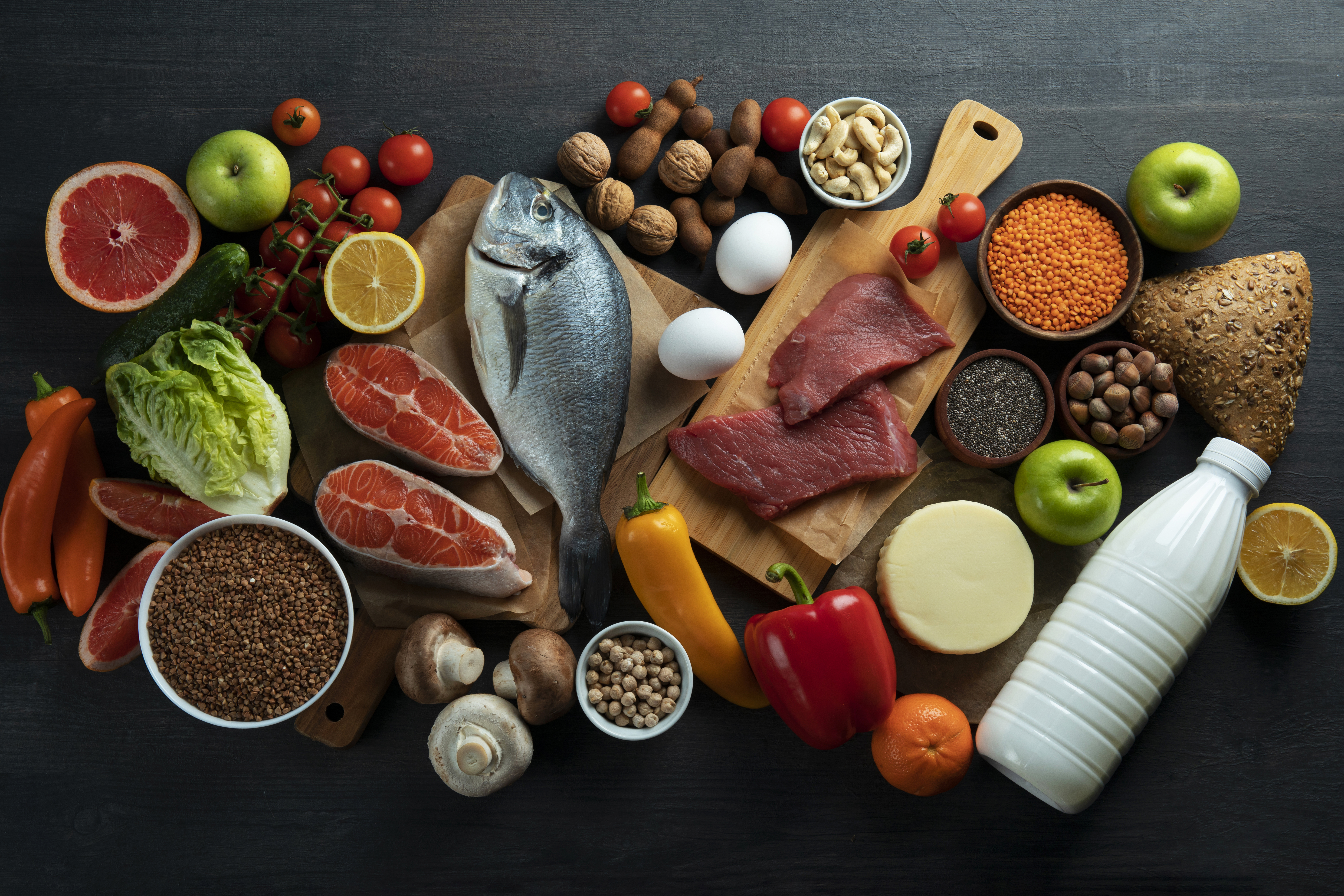
What Are Macronutrients and Why Are They Important?
Every bite of food you eat is made of three fundamental building blocks. Protein, carbohydrates, and fat — these are your macronutrients, and they are the engine behind every physical result you are chasing.
Understanding them is not optional for a serious athlete. It is the difference between training hard and actually getting somewhere.
Too much or too little of any single macronutrient will stall your progress — no matter how hard you train.
Getting the balance right — for your body, your goals, and your sport — is exactly what this calculator is designed to help you do.
Your body's primary repair and rebuild tool. Every hard session breaks muscle fibers down — protein puts them back together stronger. Without enough of it, recovery stalls and muscle gain becomes impossible.
Your fuel source. Your brain and muscles rely on carbs for short, powerful bursts of energy — exactly the kind demanded in the arena and the gym. Cut them too low and performance, focus, and recovery all suffer.
Far more important than most people realize. Fats regulate your hormones, protect your joints, support brain function, and help absorb essential vitamins. Chronically undereating fat has serious consequences for long-term health and performance.
How to Use Macronutrient Guidelines to Get Leaner, Build Muscle, and Improve Performance
Now that you have your numbers, the next step is knowing how to actually use them. Having a macro target is like having a training plan — it only works if you follow it with consistency and intention. Here is how to make your macros work for you.
-
1
Hit your targets consistently for at least three weeks
Your body does not change overnight. Hormones shift, metabolism adapts, and muscle is built or lost slowly over time. Three weeks of consistent tracking gives you real data. Do not change your numbers after five days because you do not see results — give the process time to work.
-
2
Pair your macros with effective resistance training
Nutrition without a quality resistance training program is like premium fuel in a broken engine. For fat loss, resistance training preserves the muscle you have so your body burns fat instead of lean tissue. For muscle gain, it sends the signal your body needs to actually build.
-
3
Prioritize food quality within your targets
You can technically hit your macro numbers eating fast food and processed snacks. Do not do this. Real whole foods — lean meats, eggs, potatoes, rice, vegetables, healthy fats — deliver micronutrients, fiber, and sustained energy that processed food simply cannot match.
-
4
Adjust only when progress stalls
After three full consistent weeks with no movement, make a small deliberate change. For fat loss, reduce total calories by 150–200 per day and keep protein high. For muscle gain, add 150–200 calories. Small adjustments beat drastic overhauls every time.
-
5
Track progress beyond the scale
Your weight is one data point, not the whole picture. Pay attention to how your clothes fit, how you perform in training, how you recover between sessions, and how you feel day to day. These signals often tell you more than the number on the scale ever will.
SIGN UP FOR COACHING
JOIN OUR MAILING LIST
CHECK OUT OUR PODCAST
FOLLOW US ON INSTAGRAM
WEBSITE DESIGNED BY: